Why Do Teams Use Exercise Bikes for Recovery?
In the high-stakes world of professional football, managing player fatigue and optimizing recovery isn’t just a bonus—it’s a necessity. Coaches and sports scientists widely rely on subtle but effective tools to keep players sharp through grueling fixture congestion and relentless preseason schedules. Among these tools, exercise bikes—like those from Peloton, which leverage a unique digital fitness partnership—have become staples in recovery protocols. But why exactly are recovery bikes so commonly used, and what benefits do they offer over traditional methods?
Let’s cut through the noise and explain precisely how and why exercise bikes feature in football teams’ recovery regimens, the science backing these choices, and how it all ties into key issues like fatigue, sleep quality, and squad management.
Fixture Congestion and Fatigue: The Need for Active Recovery
Premier League managers and https://www.empireofthekop.com/2026/08/19/inside-the-recovery-routines-that-keep-liverpool-players-on-the-pitch/ their medical teams often highlight “fixture congestion” as a driver for innovative recovery strategies. For example, during the 2021 Christmas period, Liverpool faced a frantic schedule, playing four Premier League matches in 11 days. This kind of stretch exemplifies the carnage fatigue can wreak on muscles, joints, and overall readiness.
One blunt reality: hard training or match play causes micro-tears and the buildup of metabolic waste products like lactic acid in muscle tissue. If not appropriately managed, these lead to soreness and reduced power output.
This is where the idea of a bike warm down or flush legs recovery session comes in. Using a low-impact bike allows players to engage in gentle, continuous movement that encourages blood flow, which in turn helps clear waste products from muscle tissue without imposing additional stress on already tired joints. The difference is stark compared to passive rest, which doesn’t stimulate circulation in the same effective way.
Exercise bikes are perfect for this thanks to:

- Low impact cardio: Unlike running or weight-bearing exercises, cycling minimises joint stress while keeping muscles engaged.
- Controlled intensity: Players can modulate resistance and cadence to match recovery goals.
- Continuous motion: Encourages steady blood flow without spikes in heart rate.
Peloton: When Tech Meets Recovery
The digital fitness phenomenon Peloton has gone beyond home workouts by entering into partnerships that provide teams access to their connected bikes and digital studio classes. While Peloton is famous for high-intensity ride sessions, their versatility allows teams to incorporate lower-intensity recovery rides tailored to muscle flush-out and blood flow stimulation.
This blend of real-time feedback and guided sessions helps players remain engaged and accountable in recovery, avoiding the trap of underdoing or overdoing these vital cooldowns. Important note: pricing details for Peloton bikes or subscriptions are not included here due to the lack of verified, official information and the risks of misinformation.
Preseason Fitness, Squad Depth, and Recovery Culture
During preseason, players undergo intensive conditioning. It’s a balancing act between pushing fitness limits and avoiding early injury. Coaches like Antonio Conte or Jurgen Klopp often stress not just physical preparation but embedding a “recovery culture” into the squad—something as simple as a mandatory bike warm down can drive this.
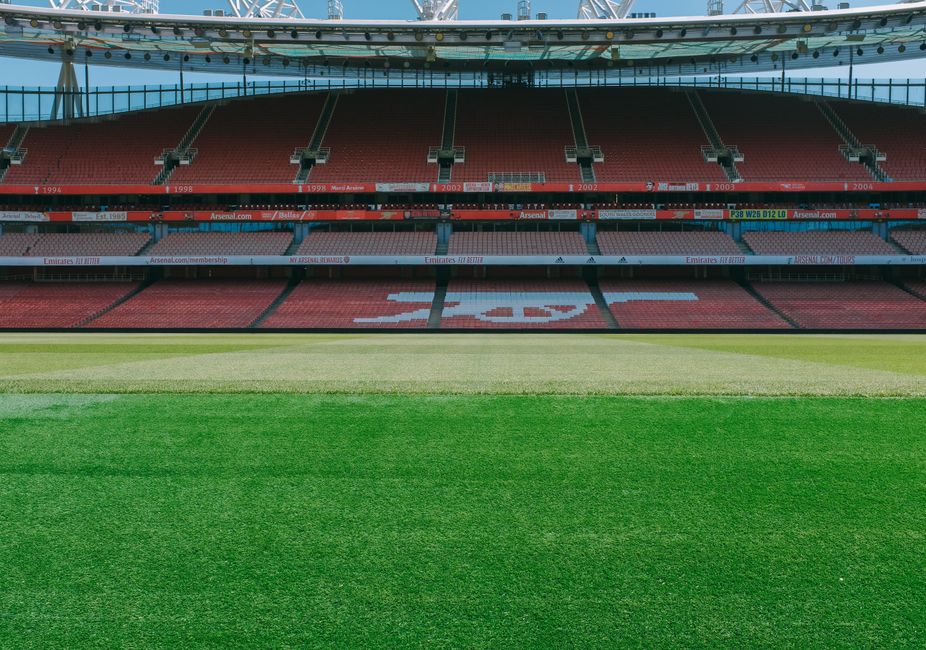
Squad depth comes into focus as teams rotate players to manage cumulative loads. Even fringe players benefit from recovery bikes, ensuring they maintain fitness without adding strain, allowing them to slot seamlessly into first-team roles if called upon.
Cycle ergometers prevent deconditioning while enabling muscle recovery by providing an effective low impact cardio platform during heavy training weeks.
Top Clubs and Their Use Cases
- Manchester City: Pep Guardiola's medical team incorporates time on stationary bikes post-match and post-training sessions for metabolic recovery.
- Chelsea FC: Known for using arrayed modalities, including Digital Fitness solutions integrated with Peloton technology for player rehab and conditioning.
- Arsenal: Employ bike recovery protocols in both on-site facilities and remote rehab for injured players.
Sleep Quality and Performance: Why Recovery Bikes Matter Off the Pitch
It’s well-documented that sleep quality is one of the biggest determinants of athletic performance (as highlighted by experts in physiotherapy and sleep science interviewed regularly via Premier League clubs). But recovery doesn’t end when lights go out. Post-exercise flushing of muscles reduces residual soreness that can disrupt sleep cycles.
Imagine two players after a late-night game: one hops on a recovery bike for 20 minutes, the other heads straight to bed. The player who cycles gently encourages better circulation, removing metabolites that might cause discomfort or muscle cramps during the night.
Additionally, teams often consider the choice between sleeping in a comfortable home bed vs hotel routine. Recovery protocols adapt accordingly. In away games, where sleeping conditions vary, incorporating a recovery bike session becomes even more crucial to maintain routine and muscle readiness.
For example, Liverpool’s staff monitors not only when and how players cycle but cross-references this with sleep trackers and subjective fatigue scores during away stretches to optimise recovery schedules.
Summary Table: Benefits of Recovery Bikes in Football Teams
Aspect Benefit Real-world Example Fixture Congestion Flushes lactic acid, speeds muscle recovery during busy schedules. Liverpool’s 4-games-in-11-days stretch calls for post-match cycling sessions. Preseason fitness Maintains cardiovascular conditioning while limiting joint stress. Chelsea integrates low-impact bike days to sustain player fitness. Sleep Quality Reduces muscle soreness, improving night-time restoration. Liverpool’s away game recovery includes cycling before bedtime. Squad Depth Allows rotation players to maintain fitness without overload. Arsenal uses bike recovery to keep bench players match-ready.Commonsense Warning: No Pricing Speculations
In covering equipment like Peloton biking systems or supplemental aids such as medical cannabis (sometimes mythically touted in football recovery circles), it’s important to avoid any invented or unverified price information. The sport and fitness markets fluctuate rapidly, and teams often negotiate bespoke deals.
Any mention of Peloton’s subscription or hardware fees here is deliberately omitted to avoid misinformation. Always refer directly to official sources or club announcements for accurate cost details.
Conclusion
Exercise bikes have evolved from mere gym novelties to essential tools in elite football recovery strategies. From mitigating gruelling match schedules and supporting intense preseason workloads to enhancing sleep quality and managing squad depth, the humble bike offers a scientifically validated, low-impact cardio method to flush tired muscles and promote active recovery.
Clubs embracing digital platforms like Peloton combine data-driven coaching with proven recovery principles to gain edges in player readiness. As football speeds up its calendar and physical demands rise, the role of recovery bikes only grows more critical—on and off the pitch.